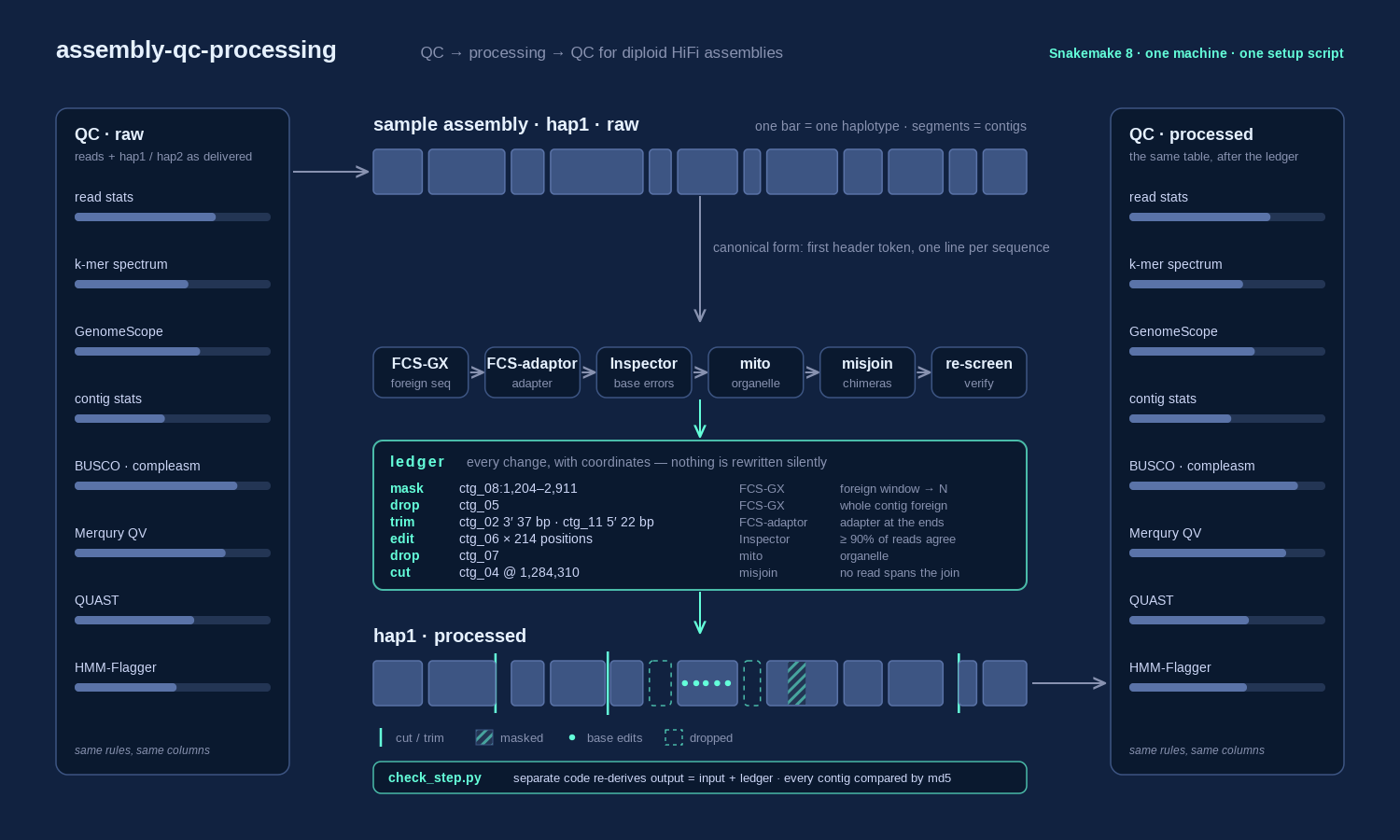
Project Management · Product Ownership
Project manager and product owner for data science and bioinformatics teams.
I run the delivery of scientific software and data work that other people build: the backlog, the plan, the milestones and the handover, with the scientists, the engineers and whoever funds the work reading the same plan. When the work itself is a pipeline or an analysis I can do, that is the Computational Biology page.
Tampa Bay, Florida · Remote across the US · Contract or fractional
Who I help
- A lab whose analysis lives in scripts nobody else can rerun.
- A biotech moving from notebooks to a pipeline it can hand to a partner.
- A grant-funded software project with a deliverable date and no one owning the schedule.
- A data science team that builds well but has no one owning the backlog.
- A core facility with more requests than it can sort.
Services
Product ownership
I own the backlog: the vision, the roadmap, requirements with acceptance criteria, and the order the work gets done in. Your team always knows what matters next and why.
You getA prioritized backlog, a roadmap people can read, and requirements a developer can test against.
Pipeline delivery
I run the build of a pipeline from first commit to release: scope, milestones, QC gates, environments, and the reviews that keep it reproducible.
You getA pipeline that runs on someone else’s machine, with the checks that prove its output.
Data science projects
I set the question, the scope and the milestones, and translate between the wet lab, the computational people and leadership so no one is surprised at the end.
You getA plan everyone signed off on, and status reports that match reality.
Project diagnostic
A short, fixed-length look at a stalled project or pipeline: the code, the data, the people and the plan.
You getA written report — what exists, what’s missing, what it will take — that you keep either way.
How I work
Intake
Should we do this, and on what basis?
You get: A thirty-minute call, then a written intake. Paid, favor or equity is decided and written down.
Discovery
What exactly is being launched, for whom, and what does “launched” mean?
You get: A charter: goal, what is in and out of scope, success metrics, stakeholders, constraints and an audit of what you already have.
Plan
How do we get there and by when?
You get: Milestones, a work breakdown, owners and dates, a risk log, and an agreed cadence. A proposal and engagement letter if the work is paid.
G1 — plan approved. You approve the plan, in writing. Nothing is built before that.
Build
Are we making the thing, on track, with scope under control?
You get: Weekly status updates, meeting notes, a written change request for any scope change, and the deliverables themselves.
G2 — launch readiness. The checklist is green, or red and you accept the red in writing.
Launch
Does it go live cleanly, and does it work in the first two weeks?
You get: A launch checklist run, a go/no-go record, a one-page launch-day runbook and a review at fourteen days.
Close
Can you run it without me, and what did we learn?
You get: Handoff, training, transfer of every account to you, and a retrospective.
G3 — closed. You hold everything and can run it yourself. Then we are done.
It’s how PakezDrite.com was built: every change traces to a numbered requirement, and every decision is on record with who made it and why. How ticketing and payments are built.
Ways to work together
Diagnostic
About 2 weeks
Fixed scope, fixed price. Ends in a written plan you keep, whether or not we work together after.
Free for now
Fractional
Set hours a week, ongoing
Your project manager or product owner on a set number of hours a week: backlog, planning, stakeholders and status.
On request
Project
Fixed scope
A defined deliverable in milestones, each ending at a gate and a written handback.
On request
Selected work
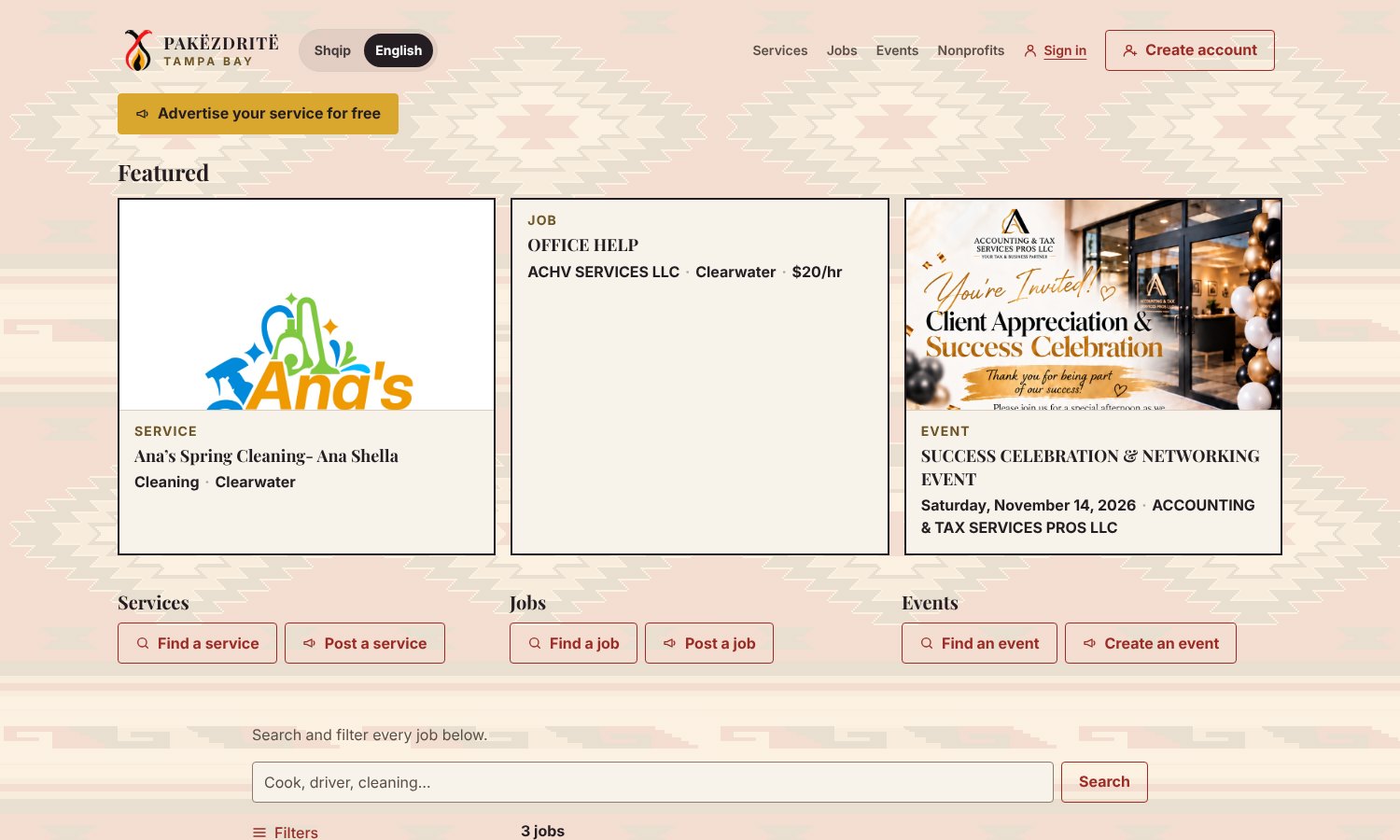
PakezDrite.com — a product from brief to launch
Product owner: wrote the brief, made every product decision on record, and accepted each milestone at its gate.
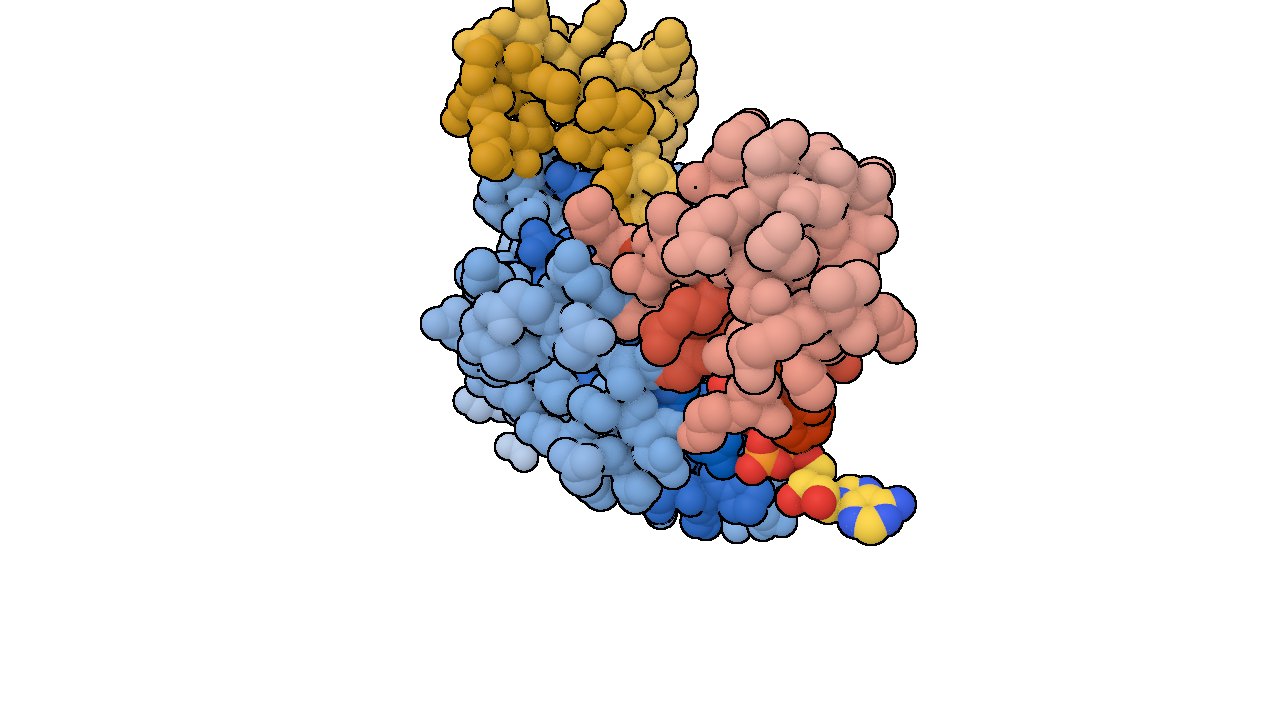
BIOS — science visuals that don’t lie
Product owner across the science, the 3D and the iOS and Android builds.
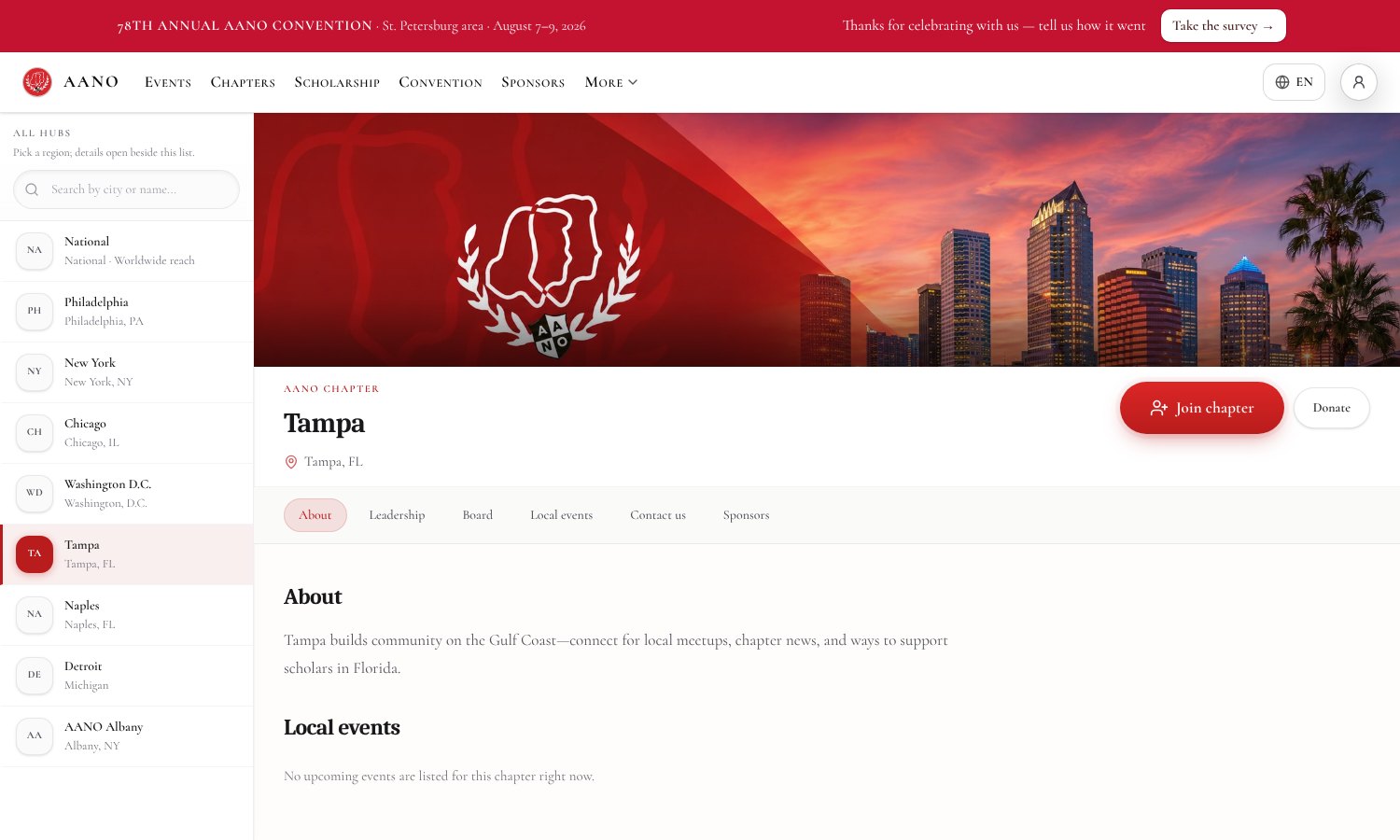
AANO Tampa Bay and the National Albanian Registry — volunteer teams
President of the AANO Tampa Bay chapter; Secretary of the National Albanian Registry.
Tools and background
Pipelines and bioinformatics
Modeling and 3D
Delivery
Background
Project Management Professional (PMP), PMI. Ph.D. in cell and molecular biology from the University of South Florida. A decade across computational biophysics, bioinformatics and large-scale genomic analysis.
Questions
Do you work remotely?
Yes. I’m in Tampa Bay, Florida, on Eastern Time, and work remotely with teams across the US. On-site in Tampa Bay is easy.
How do you contract?
To fill: 1099, corp-to-corp, through an LLC — whichever applies
Will you sign an NDA?
Yes — before the first detailed conversation, if you want.
What about patient or controlled-access data?
It stays where your agreements say it lives. I work inside your environment and its access rules, and I don’t move restricted data off it.
How soon can you start?
To fill: your current availability
Do you write code?
I build pipelines myself, so my estimates and reviews are grounded in the work. Whether I write code on your project is part of the scope we set together.
Have a pipeline or product that needs to ship?
Tell me what you’re trying to learn or build, and by when. The first call is free.